
Closed Cell Spray Foam in New Bedford Massachusetts
New Bedford Spray Foam Insulation provides professional closed-cell spray foam insulation services for residential and commercial properties throughout New Bedford, Massachusetts. This high-performance insulation material helps reduce air leakage, improve thermal resistance, and manage moisture movement within building assemblies. Closed-cell spray foam offers a dense, rigid insulation structure suitable for various applications, including rim joists, basements, crawl spaces, exterior walls, roof decks, and metal buildings. Its insulating properties help limit unwanted heat transfer, improve indoor comfort, and support energy efficiency throughout the year.
Our installation process begins with evaluating existing building conditions, moisture concerns, surface accessibility, and insulation requirements. We determine appropriate foam thickness based on project specifications and follow manufacturer application guidelines and safety procedures. Our goal is to provide reliable closed-cell spray foam insulation solutions that support consistent indoor temperatures, potentially lower heating and cooling expenses, and improve long-term thermal performance for New Bedford property owners.
Request a Free Quote
We will get back to you as soon as possible.
Please try again later.
New Bedford Spray Foam Insulation
Closed-Cell Spray Foam Insulation Solutions for New Bedford Properties
Closed-cell spray foam insulation provides high R-value thermal resistance and air-sealing benefits for homes and commercial buildings in New Bedford. Depending on the product, closed-cell foam commonly offers an R-value of approximately R-6 to R-7 per inch, providing a high insulation value in limited spaces. Its dense structure helps limit air infiltration and can function as a vapor barrier or vapor retarder when installed at an appropriate thickness. These properties make it a potential insulation solution for wall cavities, basement walls, crawl spaces, and roof deck assemblies exposed to seasonal temperature changes and moisture concerns.
Closed-cell foam adds structural rigidity to certain building assemblies, contributing to structural strength without replacing framing components or necessary repairs. Professional insulation assessments help determine suitable application areas, material thickness, and compatibility with existing construction. For homeowners in New Bedford, choosing closed-cell spray foam solutions involves considering thermal performance, moisture resistance, ventilation, and applicable building requirements. Selecting the right foam insulation for your home depends on the property's construction, desired insulation performance, and conditions surrounding each application area.
OTHER SERVICES WE OFFERED:


PROBLEM
Common Insulation Problems Closed-Cell Foam Can Address
Properties in New Bedford may experience heat loss, drafts, condensation, and inconsistent indoor temperatures due to insufficient insulation or gaps in the building envelope. Closed-cell spray foam can help address these conditions by expanding during application to form an insulating layer and air barrier across suitable surfaces. Rim joists, basement walls, and crawl spaces are common areas where insulation and air sealing may improve thermal performance and reduce unwanted heat transfer into the living space. Its moisture-resistant characteristics can also help manage vapor movement and moisture exposure when incorporated into an appropriately designed building assembly.
Older homes may have insulation levels that differ from current energy efficiency requirements, making a professional assessment useful before selecting insulation materials. Closed-cell foam offers a relatively high R-value per inch, making it useful where installation space is limited. Compared with some batt insulation materials, spray-applied foam can conform to irregular surfaces and help seal accessible gaps. Homeowners comparing spray foam or fiberglass should consider insulation value, air sealing, moisture resistance, and installation requirements. However, moisture intrusion, active water leaks, and existing damage should be evaluated before application to achieve appropriate insulation performance.
Have the same problem? Contact us!
OUR PROCESS
Our Closed Cell Spray Foam Installation Process
Our closed cell spray foam process ensures proper preparation, quality installation, and lasting energy efficiency.
Property Assessment
We carefully inspect your property's existing insulation, air leakage, heat loss, accessibility, and moisture conditions. Our team identifies areas requiring improvements, including rim joists, walls, and attics, to determine appropriate closed-cell spray foam insulation solutions based on your building's specific construction and requirements.
Project Planning
Our team develops a detailed insulation plan based on building conditions, recommended application areas, and required foam thickness. We explain material specifications, surface preparation, estimated costs, and safety considerations to establish clear project expectations and ensure proper coordination before the insulation installation begins.
Insulation Installation
Our technicians prepare surfaces and apply closed-cell spray foam using specialized equipment. We follow manufacturer guidelines for material temperature, application thickness, ventilation, and protective equipment to achieve consistent insulation coverage, proper curing conditions, and reliable thermal performance throughout installation.
Quality Inspection
After installation, we carefully inspect insulation coverage, application thickness, adhesion, and visible surface conditions. Our final review evaluates compliance with project specifications, applicable building requirements, and protective measures to support effective air sealing, consistent thermal resistance, and reliable long-term insulation performance.
COSTS
Closed-Cell Spray Foam Insulation Costs and R-Value Factors
Several factors influence the cost of closed-cell spray foam insulation, including application area, material thickness, surface preparation, and project accessibility. Pricing may be calculated using board feet, which represent an area of one square foot covered to a thickness of one inch. Closed-cell foam generally costs more per board foot than some fiberglass insulation options, although the final expense depends on installation requirements. The amount of foam required depends on the total surface area and specified R-value, with some products providing approximately R-7 per inch.
Installation complexity also affects overall expenses. Tight crawl spaces, difficult-to-access rim joists, and irregular surfaces may require additional preparation and labor. Existing insulation removal, moisture-related repairs, protective coatings, and building code requirements can also influence the final cost. The selected insulation type, required thickness, and accessibility of wall cavities or roof assemblies affect material quantities and labor. Professional assessments help determine whether closed-cell foam or fiberglass is suitable for the intended application and insulation requirements. A project-specific insulation estimate should explain the proposed coverage, material requirements, preparation work, and factors influencing the total installation cost. Homeowners can compare the initial expense with the material's thermal resistance, air-sealing properties, and potential long-term value. Proper insulation may help reduce heating and cooling costs by limiting heat transfer and reducing unnecessary demands on HVAC equipment.
Got more cost questions?

New Bedford Spray Foam Insulation
Why Choose Our Expert Closed Cell Spray Foam?
Proper closed-cell spray foam installation requires attention to material selection, application procedures, and building conditions. New Bedford Spray Foam Insulation focuses on helping property owners evaluate insulation needs and understand available foam insulation solutions for their homes and buildings. Professional closed-cell spray foam insulation services involve specialized equipment, manufacturer-specified procedures, and appropriate safety practices. Evaluating existing construction, insulation coverage, moisture concerns, and ventilation requirements helps establish a suitable installation approach. These considerations are important when comparing closed-cell vs. open-cell spray foam and other insulation materials.
Closed-cell foam provides thermal resistance, air sealing, and vapor resistance within compatible building assemblies. Its performance depends on installation thickness, surface preparation, and the surrounding construction. Closed-cell foam typically has a higher R-value per inch than open-cell foam, although both materials serve different insulation needs. While closed-cell spray foam offers a relatively high insulating value, superior insulation performance depends on the complete building assembly rather than the material alone. Whether a property requires insulation upgrades or new installation, the recommended approach should consider energy efficiency, moisture management, and long-term building performance.
Real Results
Recent Closed Cell Spray Foam Projects for Homes and Businesses in New Bedford
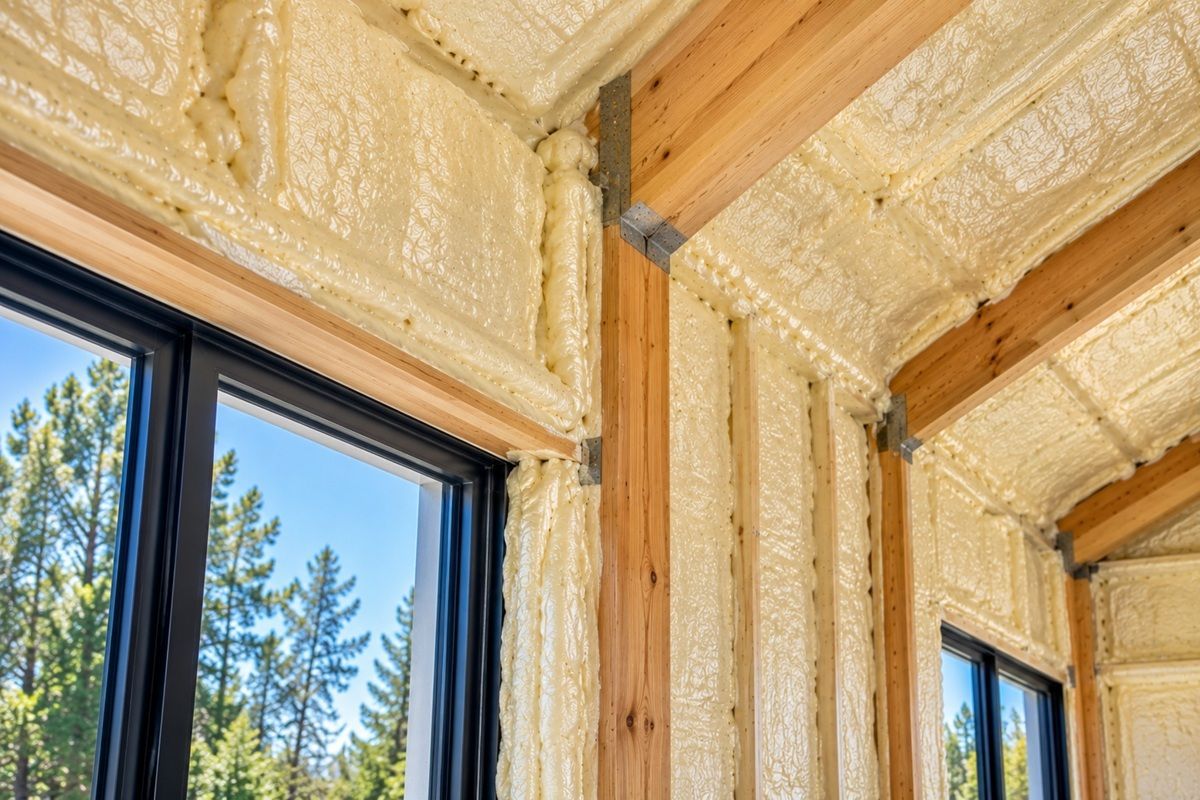
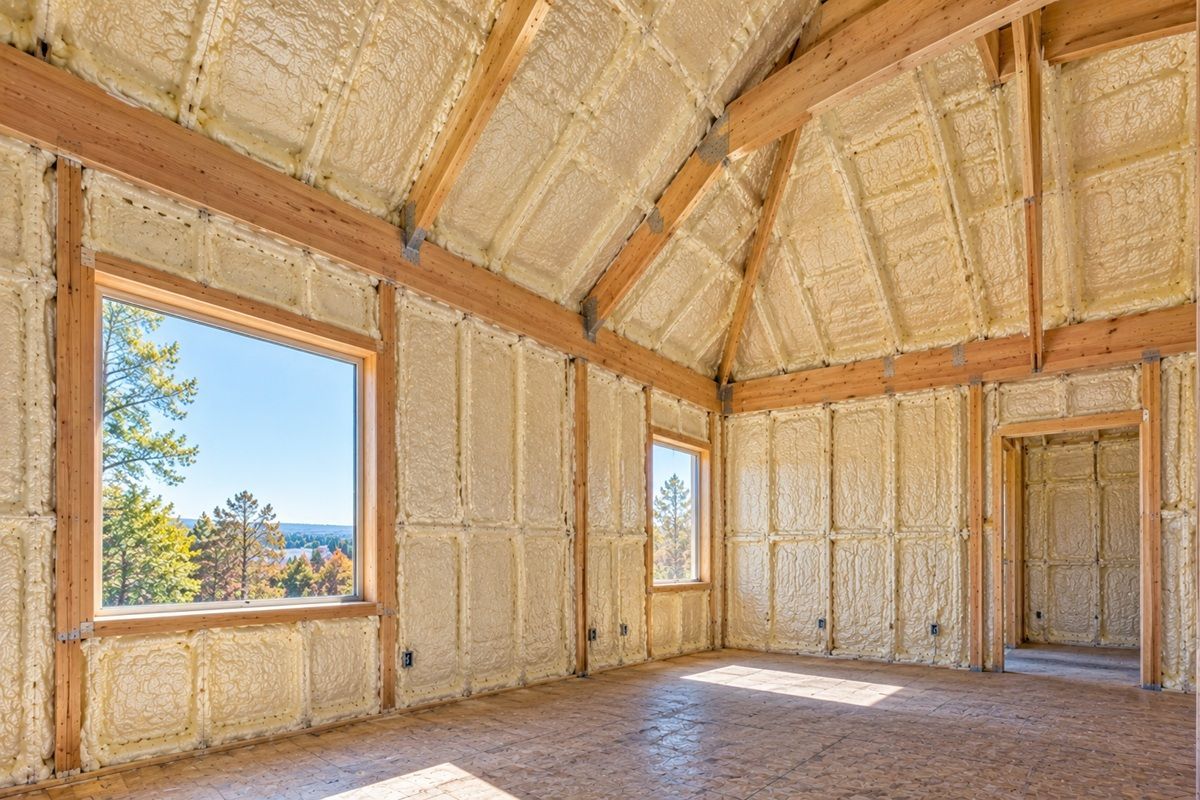
Explore our recent expert closed cell spray foam projects, showcasing quality installations that improve energy efficiency, indoor comfort, and long-term insulation performance throughout New Bedford, Massachusetts.
Closed Cell Spray Foam
Button
Closed Cell Spray Foam
Button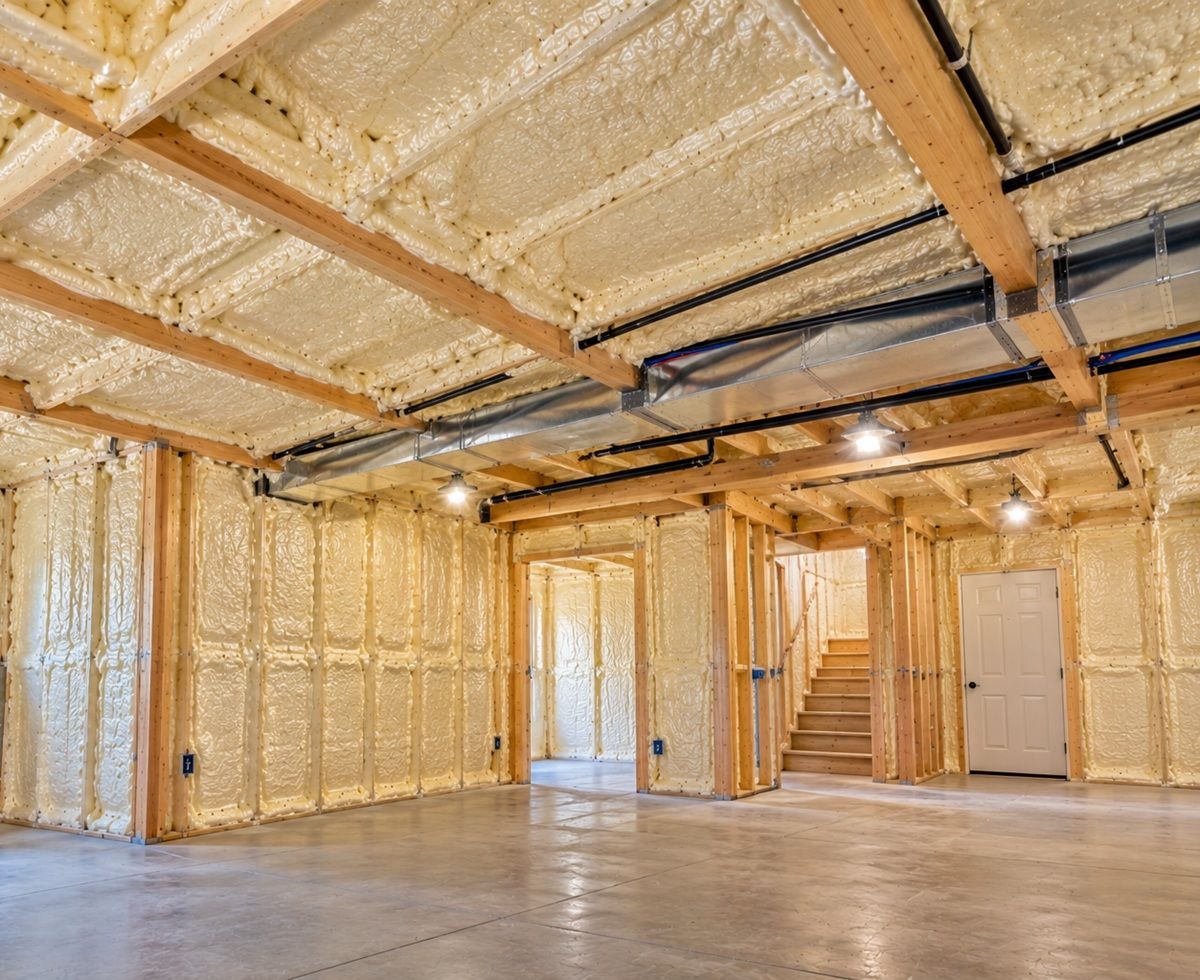
Closed Cell Spray Foam
ButtonReady to Improve Your Property’s Insulation in New Bedford?
Upgrade your home or business with professional spray foam insulation solutions designed to improve energy efficiency, indoor comfort, and long-term performance. Contact New Bedford Spray Foam Insulation today to discuss your project and request a personalized estimate.
FAQS
Frequently Asked Questions About Closed Cell Spray Foam in New Bedford
Find answers to common questions about closed cell spray foam in New Bedford, Massachusetts. Learn about insulation types, installation costs, energy efficiency, and what to expect when upgrading insulation in your home or commercial property.
508-863-4875
info@newbedfordsprayfoaminsulation.com
What is the R-value of closed-cell spray foam per inch?
Closed-cell spray foam typically provides an R-value of approximately R-6 to R-7 per inch, depending on the product. This high insulating value makes it suitable for areas where every inch of insulation space matters, including rim joists and wall cavities. Although closed-cell foam often provides one of the highest R-values per inch among commonly used spray foam insulation types, overall thermal performance depends on the complete assembly. Professional technicians evaluate building conditions, required insulation thickness, and applicable Massachusetts energy codes to determine appropriate coverage.
How much does closed-cell spray foam insulation cost in New Bedford?
Closed-cell spray foam insulation costs depend on the installation area, foam thickness, accessibility, and required preparation. Contractors commonly calculate material quantities using board feet, which measure one square foot of coverage at one inch thick. Additional expenses may include existing insulation removal, surface repairs, and protective coatings. Although closed-cell spray foam may have a higher initial cost than some batt insulation options, its thermal resistance, air-sealing properties, and potential effects on energy bills are important considerations. A professional property assessment helps establish estimated installation costs.
Where is closed-cell spray foam commonly installed in New Bedford homes?
Closed-cell spray foam is commonly installed in rim joists, basement walls, crawl spaces, exterior wall assemblies, and certain roof decks. Its dense structure provides thermal resistance while helping reduce air leakage through properly insulated surfaces. The foam expands around suitable framing connections and penetrations, helping create a continuous air seal between conditioned living spaces and unconditioned areas. For older New Bedford homes, professional technicians may assess existing insulation, moisture conditions, and construction materials before recommending installation. Suitable application areas depend on ventilation requirements, building design, and applicable fire safety standards.
Can closed-cell spray foam help control moisture during Massachusetts winters and humid summers?
Yes, closed-cell spray foam can help manage moisture by reducing air leakage and providing vapor resistance at appropriate thicknesses. Its dense structure offers moisture resistance that can help limit water vapor movement through suitable building assemblies. Depending on product specifications and installation thickness, closed-cell foam may function as a vapor retarder or vapor barrier within the assembly. These properties are useful in New Bedford, where cold winters and humid summers can contribute to condensation concerns. However, spray foam does not replace waterproofing, drainage, or ventilation systems.
How long does closed-cell spray foam take to cure after installation?
Closed-cell spray foam begins expanding and setting shortly after application, but curing and safe re-entry times vary by product and installation conditions. Temperature, humidity, foam thickness, and ventilation can influence the process. Professional technicians use specialized spray equipment and follow manufacturer requirements to control application thickness and curing conditions. Homeowners should confirm the required ventilation and re-occupancy period before installation, especially when spray foam is applied inside occupied residential properties.
NEW BEDFORD SPRAY FOAM INSULATION
Request a Professional Closed Cell Spray Foam Evaluation in New Bedford
Property owners considering closed-cell spray foam insulation in New Bedford can request information about suitable applications and project requirements. Installation costs depend on the property's size, layout, insulation thickness, and areas requiring coverage. Common applications include rim joists, basements, crawl spaces, wall cavities, attic areas, and certain roof deck assemblies. A professional assessment helps identify existing insulation conditions, accessibility concerns, and preparation requirements before an estimate is developed. This evaluation also helps determine whether closed-cell foam, open-cell foam, or other insulation materials are appropriate.
During project planning, insulation options can be evaluated against energy efficiency goals, moisture conditions, and building requirements. Closed-cell spray foam provides thermal resistance and air-sealing benefits that may help reduce unwanted heat transfer and support more consistent indoor temperatures. Appropriate installation depends on surface compatibility, ventilation, fire protection, and applicable Massachusetts building codes. A clear scope of work helps property owners understand the proposed insulation system, potential effects on heating and cooling costs, and factors affecting the estimate. Contact New Bedford Spray Foam Insulation at 508-863-4875 to discuss your property's insulation needs, request information about assessment availability, and explore professional closed-cell spray foam insulation solutions suited to your building.